
Torres Immigration Multiservices
From Kentucky to Miami: an immigration services firm that grew all the way to launching its own law firm.
The case
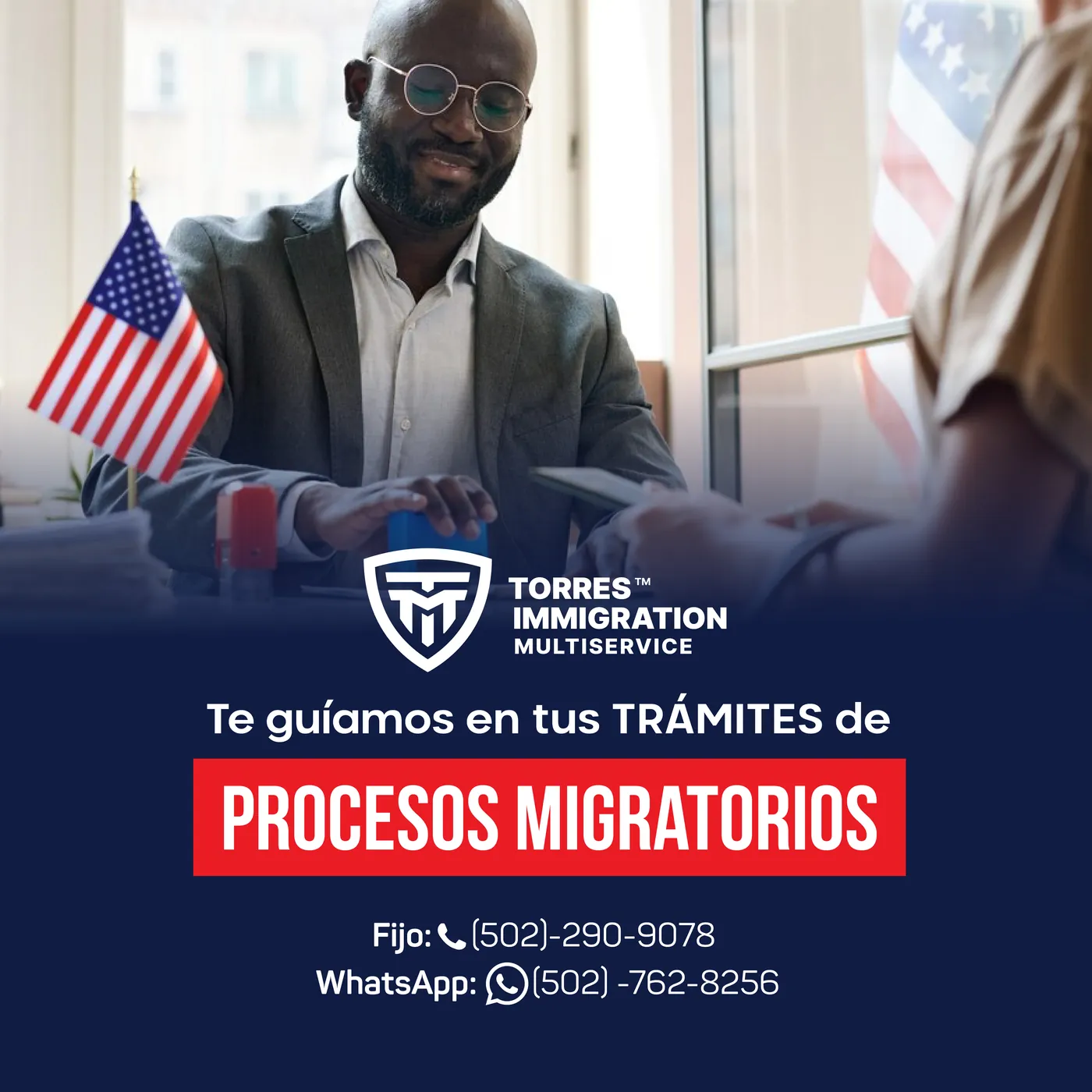
Torres Immigration Multiservices came to Brito to grow in one of the most sensitive markets there is: immigration, where every word counts and trust is everything. We built their marketing from the ground up and flew to Louisville, Kentucky, to shoot their commercials on location.
It became one of our biggest success stories. Torres didn't just grow in Kentucky; it expanded to Miami and opened a new law firm, US Legal Solutions. Two brands, one marketing engine behind both: ads, commercials, digital presence, and content, all in their clients' language.
Inside the case
The challenge
Torres Immigration Multiservices worked out of Louisville, Kentucky, in one of the most sensitive markets there is: immigration. People who need immigration help look for someone who speaks their language, explains the process clearly and earns their trust. The challenge was reaching those families right when they needed it, and getting back to them fast.
The idea
One marketing engine: commercials shot in their own office, ads that invite people to message on WhatsApp, and a fast reply. In immigration, the first conversation decides everything, so the goal of every ad wasn't a click. It was a conversation.
The production
We flew to Louisville to shoot their commercials on location, telling the story of the team, the office and the way they treat people, in Spanish. Short, clear pieces —“Everything Under One Roof,” “We Handle the Paperwork,” “You Don't Wait Alone Here”— built to explain the process and take the fear out of the first step. For US Legal Solutions we created a brand of its own, its website with a bilingual search foundation, and a series of educational and testimonial videos.
The campaign
The Meta campaigns were organized by market —Kentucky, Florida and Las Vegas— and by service, with WhatsApp as the front door. Since September 2023, as far back as Meta lets us look, they generated 3,474 WhatsApp conversations for Torres. Demand grew so much that the business took the leap: in 2024 it opened US Legal Solutions, its own law firm, with an office in Miami, while Torres kept serving clients in Louisville. US Legal Solutions' campaigns in Florida and Kentucky added 618 lead forms.
contacts from Meta ads: 3,474 WhatsApp conversations (Torres Immigration) and 618 lead forms (US Legal Solutions), September 2023 to October 2026 (as far back as Meta reports).
What we did
Our work for Torres Immigration Multiservices
We built their website as the foundation of their entire digital presence.
We ran their ad campaigns to reach families looking for immigration help at the exact moment they need it.
We flew to Louisville, Kentucky, to shoot their commercials on location: spots that speak to the immigrant community in its own language.
We managed their social media and content, keeping a warm, consistent voice with their community.

- Hector Hernandez & AssociatesFrom four people and almost no digital presence to a structured, recognized and growing firm.
- De Castroverde Law GroupFrom a local firm to a legal brand with a major presence in the Hispanic market.
- US Legal SolutionsBorn from a proven success, a new Miami firm needed a brand of its own. We built it.